
How to Get a Mortgage in Spain in 2026: A Guide for Foreign Buyers
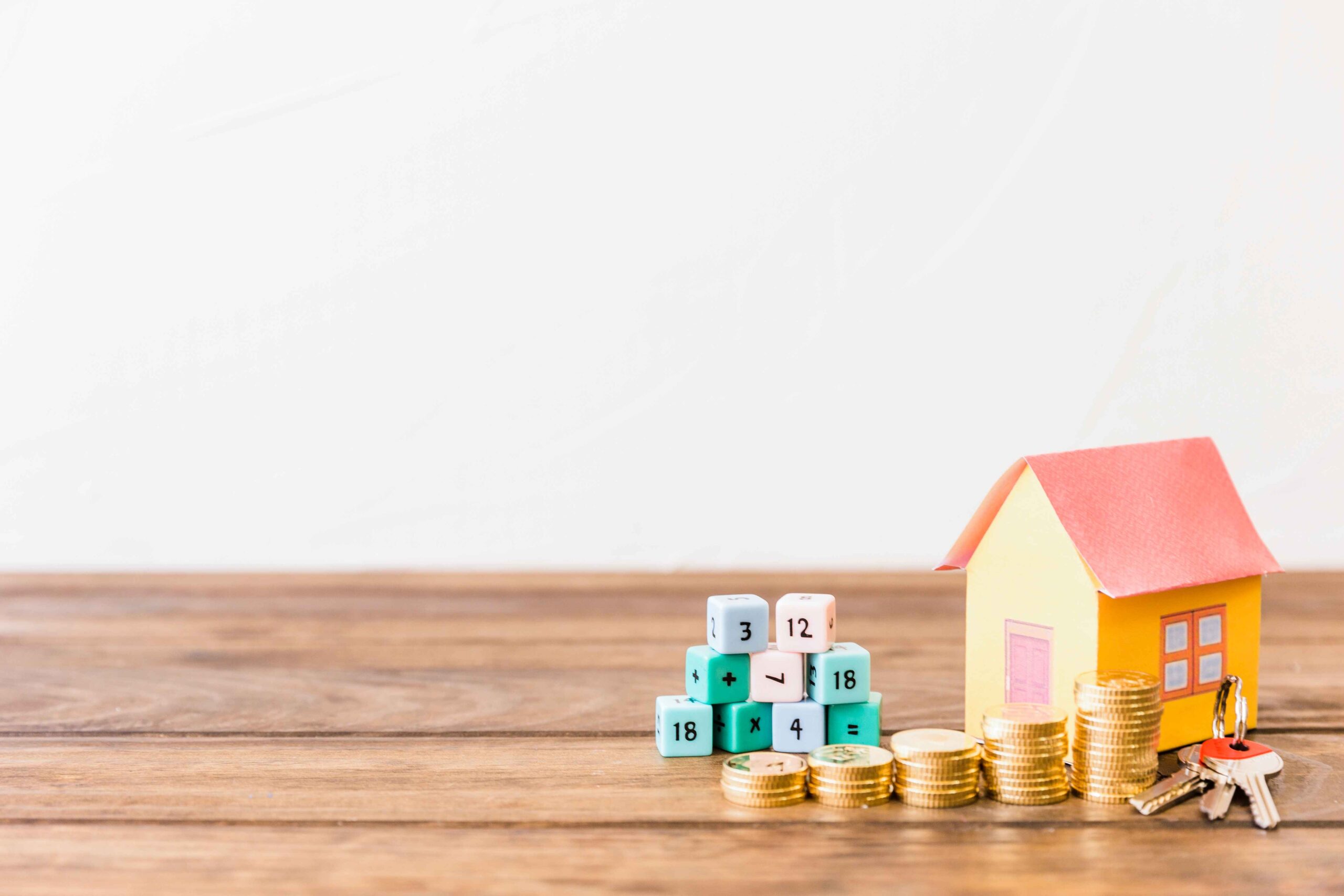
How to get a mortgage in Spain is one of the first questions international buyers ask when planning a property purchase. In this 2026 guide, we explain mortgage eligibility, financing options, deposit requirements and the steps foreign buyers should take before approaching Spanish banks.
Buying a home in Spain can be an exciting step, whether you are relocating, planning a holiday home or investing for the long term. However, the right time to buy is not the same for everyone.
For international buyers, three questions matter most: How much can I borrow, how much cash will I need, and which mortgage structure suits my finances?
This updated guide covers mortgages in Spain in 2026, including interest rates, deposits, documentation, currency exposure and the practical steps to take before signing.
1. Mortgage interest rates in Spain in 2026
Spanish banks offer fixed-rate, variable-rate and, with some lenders, mixed-rate mortgages. A fixed interest rate gives you predictable repayments for the agreed fixed period. A variable rate generally follows a benchmark such as the 12-month Euribor plus the lender's margin, so repayments may rise or fall.
Rates are not guaranteed to move in one direction. The Bank of Spain reported that the 12-month Euribor stood at 3.247% in September 2026, up from 2.954% in August. The Bank of Spain also published a 3.134% average reference rate for certain new housing mortgages in August 2026. These are market indicators, not guaranteed mortgage offers for non-residents.12
Broker's perspective: Rather than trying to predict the lowest possible rate, compare the overall cost of different proposals: interest rate, term, insurance and other linked products, fees, and any early-repayment conditions.

2. How much deposit do foreign buyers need?
As a practical guide, many lenders will consider financing of up to around 70% for qualifying non-resident applicants, while some resident buyers may be eligible for higher loan-to-value ratios, often around 80%. These are lender practices, not automatic entitlements: approval depends on income, existing debt, age, property, valuation and bank criteria.
For example, on a €400,000 property, a 70% mortgage would be €280,000 and the initial deposit €120,000. You would still need funds for applicable transfer taxes or VAT, legal and registration costs, and other purchase expenses. If a bank calculates its maximum loan using the lower of purchase price and valuation, a lower valuation can increase the deposit required.
Tax rates and buying expenses vary by autonomous community and by whether the home is resale or new-build. Before paying a reservation fee, work out the total cash needed, not merely the advertised property price.
Explore a scenario with our Spanish Mortgage Calculator or read our guide to deposits for non-residents.
3. What should foreign buyers know about Spanish property prices?
Spain offers a wide range of property markets, but it is misleading to assume that homes are uniformly inexpensive or that prices always rise. Location, local supply, demand, property condition and transaction costs matter greatly.
According to the Spanish National Statistics Institute (INE), Spanish house prices rose 12.2% year-on-year in the second quarter of 2026. Resale property prices increased by 12.9% and new-build prices by 7.4% over the same period. These national figures describe past movements; they do not predict the future value of any individual home.3
Consider the purchase as a complete financial decision: affordability, expected holding period, maintenance, potential rental restrictions, tax exposure and the possibility that values may fall.

4. Mortgage in euros: understand currency risk
If your salary, savings or other income is in pounds, dollars, Swiss francs or another currency, currency movements can change the real cost of your Spanish mortgage. Borrowing in euros does not eliminate exchange-rate risk when repayments must be funded from non-euro income.
A mortgage may help you avoid converting the full purchase price at once and preserve some liquidity, but it also creates repayment obligations, interest costs and potentially currency exposure. Discuss your income currency, conversion strategy and loan terms with your broker, and consider independent tax or financial advice when necessary.
5. How to Get a Mortgage in Spain: Step-by-Step
Understanding how to get a mortgage in Spain starts with preparing your financial information before approaching lenders. A well-organised application can make the assessment easier and help avoid unnecessary delays.
The process can begin remotely, but it is not always fully online. Banks assess each borrower and property individually, and notarial and identity checks are still required. The typical steps include:
- Initial assessment: review income, debts, savings, property budget and intended residency status.
- Documentation: prepare passports or ID, tax returns, bank statements, credit reports, employment or business evidence, and proof of funds.
- Lender assessment: compare suitable lenders, submit the application and address any further questions from risk departments.
- Property valuation: obtain an accepted valuation and confirm the final financing limit.
- Mortgage offer and completion: review the binding documentation, including the FEIN, and complete the legally required pre-signing steps.
Under Spanish mortgage transparency rules, the European Standardised Information Sheet (FEIN) must generally be provided at least ten calendar days before signing; the precise timetable should be checked for the transaction and applicable regional rules.4
See our mortgage documents checklist and mortgage pre-assessment guide.

6. Is 2026 the right time to buy property in Spain?
There is no universal answer. An attractive home can become an uncomfortable purchase if the monthly repayments, deposit or associated costs strain your finances. Conversely, buyers with a sustainable budget and a suitable property may decide to proceed without waiting for a theoretical 'perfect' interest rate.
A sensible decision starts with three checks: can you afford the mortgage comfortably, can you fund the deposit and purchase costs without exhausting your reserves, and will the property suit your medium- to long-term plans?
Find out what you could borrow in Spain
At Viva Finance, I work with international buyers to assess their financial profile, explore appropriate lender options and explain the practical steps from first assessment to completion. Start with an indicative calculation, or arrange a personal review.
Explore mortgage figures →Speak with Marco →Final thoughts
Buying a property in Spain with a mortgage can be a practical way to balance home ownership and liquidity, but the best financing depends on your circumstances. For foreign and non-resident buyers, preparation and lender selection matter more than slogans about the 'perfect' time to buy.
Whether you are considering Marbella, Valencia, Alicante, the Balearic Islands or another part of Spain, start by understanding your borrowing limits, total cash requirements and the options available for your income profile.
Sources and further reading
- Banco de España, 1 October 2026 — 12-month Euribor, September 2026.
- Boletín Oficial del Estado, 18 September 2026 — official mortgage reference rates for August 2026.
- Instituto Nacional de Estadística, 7 September 2026 — House Price Index, Q2 2026.
- Banco de España, Cliente Bancario — mortgage information and FEIN timing.
Editorial note: Indicative loan-to-value ratios and documentation examples describe common mortgage-broking practice, not a promise of finance or a legal entitlement. Lending criteria, taxes and mortgage offers differ by bank, borrower, property and date. Updated by Marco Antonio Serrano Viriot on 9 October 2026.