
Spanish Mortgage Guide
Documents Required for a Mortgage in Spain as a Non-Resident Buyer
A clear guide for foreign buyers who want to understand which documents Spanish lenders usually request before approving a mortgage in Spain.

Buying a property in Spain is exciting, but the mortgage side can feel confusing at the beginning, especially when you are asked for tax returns, bank statements, proof of funds, employment documents and information about your existing debts.
Most Spanish mortgage applications are based on a simple principle: the lender needs to understand who you are, how you earn your income, what financial commitments you already have, and where your deposit funds are coming from.
When your documents are prepared properly from the start, the mortgage process is usually smoother, faster and easier to explain to the bank.
Quick checklist
Documents usually requested for a Spanish mortgage
The exact list can vary depending on the lender, your country of residence, your employment type and your personal situation. However, as a general rule, non-resident buyers are commonly asked for:
Core documents
- Passport or national ID for each applicant
- NIE number, if already available
- Proof of current residential address
- Recent credit report from your country of residence
- Last 6 months of personal bank statements
- Existing mortgage, loan or credit card statements
Income and funds
- Last 2 years of tax returns or tax certificates, where applicable
- Last 3 payslips, if employed
- Employment contract showing start date and position
- Employer letter, if the contract does not show enough detail
- Proof of deposit funds and source of funds
- Property documents once a home is chosen
Additional documents depending on your situation
The lender may ask for your current rental contract, because this can be treated as an existing monthly commitment.
The lender may ask for rental contracts, bank statements showing rent received, tax documents or other proof that the income is stable and properly declared.
You may need personal tax returns, business accounts, company documents, accountant certificates and evidence of salary, dividends or business income.
You may need pension statements, bank statements showing pension payments, tax documents and information about existing debts.
Credit reports, tax documents and income certificates can vary from one country to another. Where a country does not have a standard credit report or personal income tax system, lenders may request alternative evidence instead.

Why Spanish lenders ask for so many documents
From a buyer’s point of view, it can sometimes feel like the lender is asking for your whole financial life on paper.
In reality, the bank is normally trying to answer three practical questions:
- Can your identity and tax position be verified?
- Is the mortgage affordable based on your income and existing debts?
- Are your deposit funds clear, traceable and properly explained?
This is why most applications are built around the same core areas: identification, income, bank statements, existing debts, deposit funds and property paperwork.
Important: having a strong income is not always enough. Spanish lenders also look at your debt-to-income ratio, the stability of your income, your age, your country of residence, the currency of your income, the property itself and the source of your deposit funds.
1. Identification documents
The first step is to prove your identity and provide the basic personal information required by the lender.
In most cases, this means a valid passport or national ID, your NIE number if already available, your address details, marital status and basic information for each applicant.
If there are two buyers, the lender will usually ask for a full set of documents for both applicants, even if only one person earns most of the income.
One common delay is leaving the NIE too late. Even if the mortgage application can start without it in some cases, the purchase process becomes much harder if the NIE is not ready when needed.

2. Proof of income if you are employed
If you are employed, lenders normally want to see that your income is stable, regular and properly supported by official documents.
This usually includes your last 3 payslips, your last 2 years of tax returns or tax certificates where applicable, and your employment contract showing your start date and position.
If the employment contract does not show enough detail, the lender may ask for an employer letter confirming your position, seniority, salary and any regular bonus or commission structure.

3. Bonus, commission or variable income
Basic salary is normally easier to assess. Bonus income, commission, overtime or variable pay can be more difficult unless there is a clear track record.
If part of your earnings comes from bonus or commission, the lender may ask for previous tax returns, annual income summaries, payslip history or confirmation from your employer.
The more consistent and well documented it looks, the more likely it is to be considered.
Practical tip: if a large part of your income is variable, do not rely only on your latest payslip. It is better to prepare annual evidence showing how that income has been earned over time.
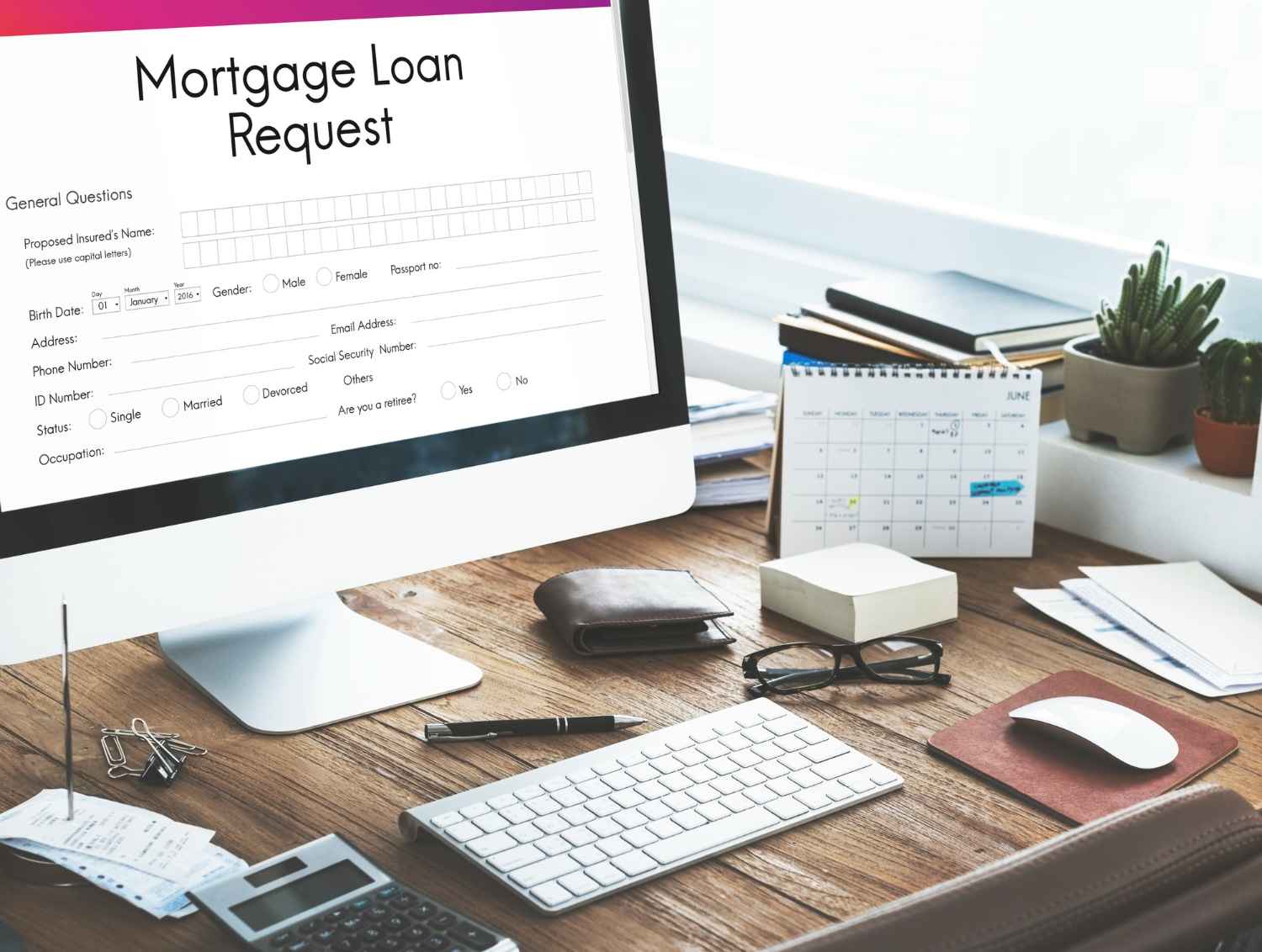
4. Documents if you are self-employed or own a company
If you are self-employed, run your own company or receive income through a business, lenders usually need a fuller picture of your financial position.
This may include personal tax returns, business accounts, company documents where relevant, accountant certificates, evidence of salary, dividends, retained profits or other income taken from the business.
The key is not only proving that you earn well. It is proving that the income is stable, properly declared and understandable for a Spanish lender.
Self-employed cases can be perfectly viable, but they usually need more preparation because every bank may interpret business income slightly differently.
5. Documents if you are retired
Retired buyers may also be able to obtain a mortgage in Spain, but the lender will normally review pension income, age, mortgage term and affordability very carefully.
Documents may include pension statements, tax documents, bank statements showing pension payments, investment income evidence and details of any existing debts.
Age is important because Spanish lenders usually want the mortgage to finish before a maximum age. This can affect the maximum term available and therefore the monthly payment.
6. Bank statements and financial profile
Bank statements are one of the most important parts of the mortgage file because they show how your finances work in real life.
As a general rule, lenders normally ask for the last 6 months of personal bank statements. They may use them to check income being paid in, existing loan repayments, regular spending patterns, unusual transactions, account ownership and whether your financial profile matches the documents provided.
Clean PDF statements are much better than screenshots, cropped images or incomplete downloads. A tidy file creates confidence and reduces unnecessary questions.
7. Existing debts and credit profile
If you already have a mortgage, personal loan, car finance, credit card debt or other monthly commitment, the lender will usually want to understand it clearly.
This can include statements for existing mortgages, loan agreements, credit card balances, finance agreements and a recent credit report from your country of residence.
The credit report provider will depend on your country. Some countries have specific credit agencies, while others may have different systems or require alternative documentation.
A strong income helps, but lenders also need to understand how much of that income is already committed each month. This is one of the reasons why two buyers with similar salaries can receive very different mortgage outcomes.
8. Proof of deposit and source of funds
This is a very important part of the application.
Lenders do not only want to know that you have the deposit. They also want to understand where that money has come from.
This may involve savings statements, bank statements showing funds building up over time, investment redemption evidence, proof of sale of another property, inheritance documents, gift documentation or other supporting evidence where relevant.
The clearer the story behind your funds, the easier this part tends to be. Large incoming transfers with no explanation often lead to delays and additional questions.

9. Rental situation and rental income
This part is often misunderstood, because there are two different situations.
If you currently live in rented accommodation, the lender may ask for your rental contract because it helps them understand your monthly commitments.
If you own one or more properties and receive rental income, the lender may ask for rental contracts, bank statements showing the rent being paid in, tax documents, property ownership evidence or other proof that the income is stable and properly declared.
Rental income can sometimes support the mortgage application, but lenders usually want clear evidence before taking it into account.
10. Property documents once you find a home
Once you have chosen a property, the mortgage file becomes more specific.
At that point, lenders may ask for the reservation contract or arras contract, purchase price details, buyer information, ownership percentages, property registry information and other documents related to the home.
This is usually the stage where the purchase timeline, the legal side and the mortgage process all start connecting. If the buyer is not prepared, things can become stressful very quickly.

Common mistakes that slow down a Spanish mortgage application
In many cases, mortgage applications slow down for very practical reasons:

How to make the mortgage process easier
The best way to reduce stress is to prepare early.
Many buyers think the mortgage process starts after they find a property. In reality, the strongest buyers are usually the ones who check their mortgage capacity and prepare their documents before making an offer.
If you already have your ID, income documents, tax returns, bank statements, debt information and proof of deposit ready before reserving a property, you will be in a much stronger position when the process starts moving quickly.
Before making an offer
Check your mortgage capacity first
Use our Mortgage Pre-Assessment Tool to estimate your mortgage capacity, deposit required, purchase costs and key documents before making an offer in Spain.
How Viva Finance can help
Viva Finance helps international buyers understand what Spanish lenders usually ask for, organise their documents properly and check whether their mortgage request is realistic before approaching the bank.
This is especially useful for non-resident buyers, self-employed applicants, retired buyers, clients with income in another currency, buyers with rental income, or buyers who are not sure whether they have enough savings for the deposit, taxes and purchase costs.
The objective is simple: to prepare a clearer mortgage file and avoid unnecessary delays, surprises or unrealistic expectations.

Frequently asked questions
Can I start a Spanish mortgage application before finding a property?
Yes. In many cases, it is sensible to review your financial profile before making an offer. This can help you understand your estimated mortgage capacity, deposit required and possible risks before committing to a purchase.
Do non-residents need a NIE to apply for a mortgage in Spain?
The NIE is normally required for the purchase process and will be needed before completion. Some initial mortgage discussions may start before the NIE is ready, but delaying it can create problems later.
Do Spanish banks ask for a credit report?
A recent credit report from your country of residence is commonly requested for non-resident mortgage applications. The provider or format depends on the country. Some countries have standard credit agencies, while others may require alternative evidence.
How many months of bank statements are usually needed?
As a general rule, Spanish lenders usually request the last 6 months of personal bank statements. The statements should ideally be official PDF documents rather than screenshots.
What if I rent the home where I currently live?
If you currently live in rented accommodation, the lender may ask for your rental contract because it helps them understand your monthly commitments.
What if I receive rental income from another property?
If you receive rental income, the lender may ask for rental contracts, bank statements showing rent received, tax documents and evidence that the income is stable and properly declared.
What if I am self-employed?
Self-employed buyers can apply for a mortgage in Spain, but the file normally needs more preparation. Lenders may ask for tax returns, accounts, company documents and evidence of income taken from the business.
Final thoughts
Applying for a mortgage in Spain as a non-resident does not need to feel complicated.
Most of the process is about being organised, clear and ready with the right paperwork at the right time.
The buyers who save the most time and frustration are often not the ones who rush the fastest, but the ones who prepare properly before reserving a property.
Need help preparing your Spanish mortgage file?
Prepare your documents before approaching Spanish lenders
We help foreign buyers review their mortgage capacity, understand what documents Spanish lenders usually request and prepare a clearer file before approaching the bank.